FPFK

SOCIAL MINISTRY

Innovative and responsive social ministry programs alleviating poverty and all other forms of human suffering

FPFK Social Ministry

Introduction

The Social Ministry department is responsible for strategic objective number two of FPFK which focuses on developing innovative and responsive development programs aimed at alleviating poverty and all other forms of human suffering in Kenya. This is achieved through various strategies which include: working together with our local churches and other departments in the organization; partnering and networking with like-minded organizations; collaboration with national and county governments; involvement of beneficiaries in design, planning and implementation of projects. We are guided by the love of Jesus Christ and the fundamental values of love, justice, inclusivity, accountability and transparency. We believe in the innate worth of our beneficiaries, their ability to redefine their own destiny and work towards their achievement.

Thematic areas

The Social Ministry Department handles both humanitarian and development projects, in different thematic areas of focus as guided by the strategic plan. The thematic areas include gender and women empowerment, peace building and governance, environment and climate change

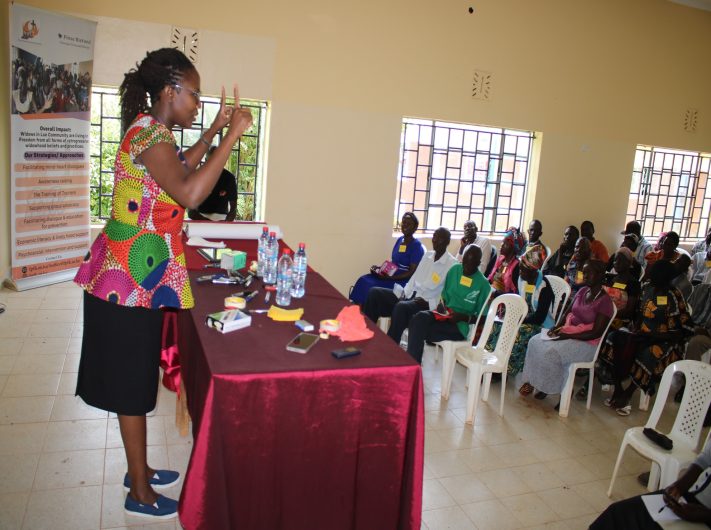
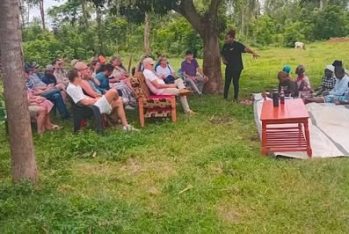
Advocate Grace facilitating a session

Gender Equality and women Empowerment

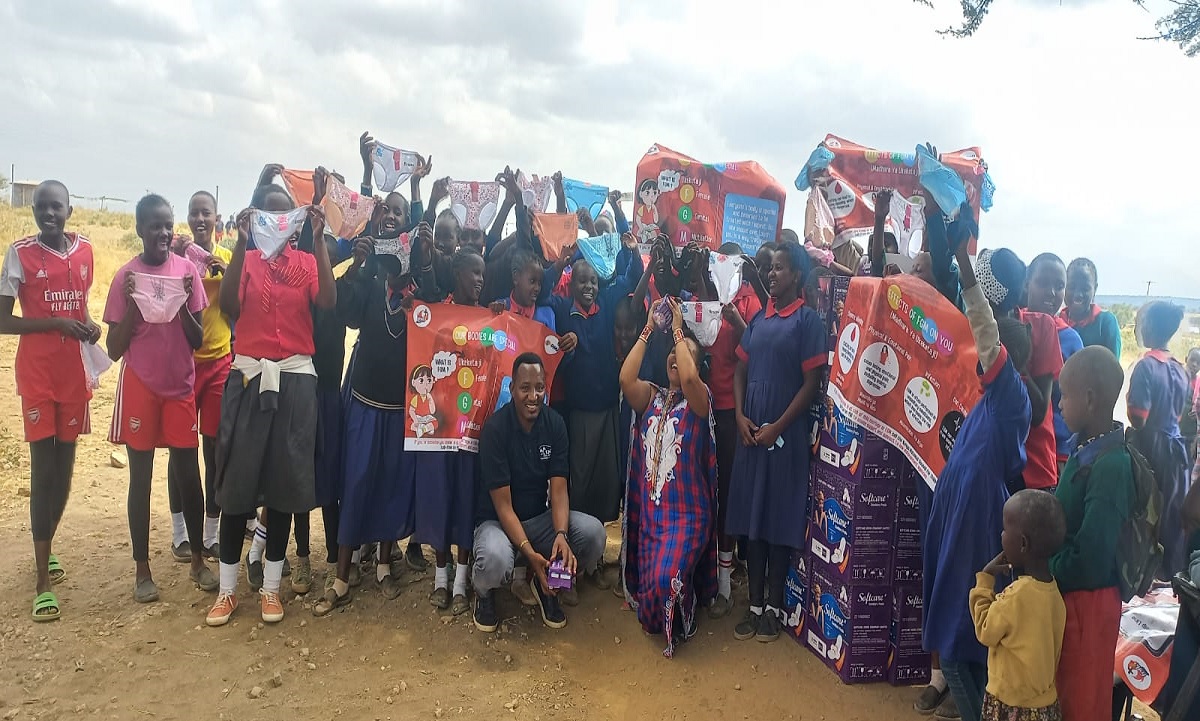
Girls and women in Kenya hold unlimited potential. The barriers that constrain women are multifaceted. Issues like gender-based violence have remained pervasive. Women remain underrepresented in decision-making processes at all levels. FPFK Recognizes that gender equality is vital in sustainable development, that unless women and girls are able to utilize 

1

Peace, Democracy and Governance

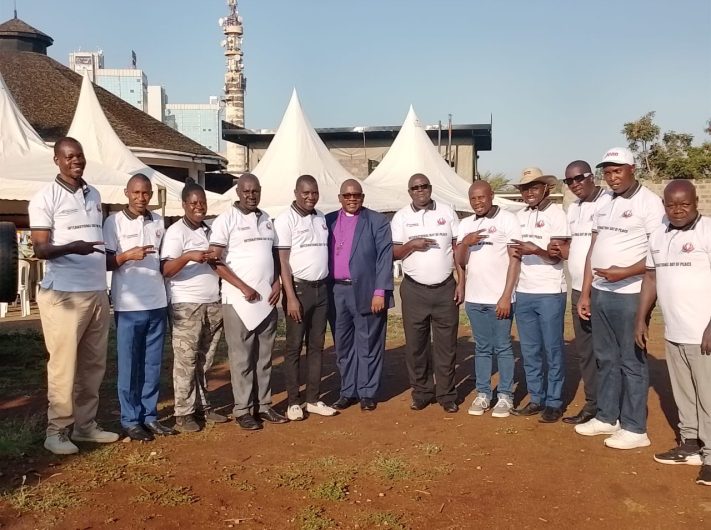
The prevention of violent conflict and the building of sustainable peace are at the forefront of the FPFK Social Ministry Department. Building sustainable peace is a critical component and forms an important part of the FPFK’s toolbox to address all phases of the conflict cycle which encompasses early warning, early action, crisis management, post-conflict rehabilitation, and reconciliation

559012162_1114636800812188_4380030719908294707_n

Environmental and Climate Change

FPFK is implementing projects that facilitate clean environment, safe water, and healthy communities. The Environment project facilitates clean environment, safe water, and healthy communities. The church undertakes community sensitization on issues of waste management and hygiene.  FPFK is supportting the community with access to safe drinking water

311186417_423847086557833_3537223669166938392_n

Humanitarian Assistance

Humanitarian interventions have outcomes that are cross cutting across different objectives. FPFK is a key actor on matters of humanitarian assistance and emergency response in Kenya. FPFK has in the past responded to a number of humanitarian emergency reliefs by the prolonged droughts and other 

People reached by FPFK interventions

People Reached

PEOPLE REACHED
0
MEN
0
WOMEN
0
YOUTH
0
CHILDREN
0
CSO’s GROUP
0 +
IMG_6894-1024x768
IMG_6893-1024x768

Networking and Funding Partners

Funding Partners

FPFK Church is an active member of Act Alliance Forum under the umbrella of National Council of Churches of Kenya(NCCK) and a member of Evangelical Alliance of Kenya (EAK), an umbrella body for Pentecostal churches in Kenya, and a founding member of the Kenya for Resilience (K4R), a platform for civil society organizations working on resilience interventions. Through these networks, FPFK Church plays an active role in championing for the rights of individuals and communities in Kenya, strengthening the civic spaces, and contributing to sustainable structures for inclusive governance in Kenya.

FPFK collaborates with the State and Non-State Actors in fulfilling her mandate through partnerships for advocacy at the local, county, and national as well as international levels for realization of her programming goals

The department has strong internal financial management and controls, anti-corruption guidelines, complaint, and compliment handling mechanisms.

Gender equality and women empowerment

Campaign against harmful practices

577535978_1423588729261608_8879350048540719370_n

The FPFK Malaba Gender Advocacy Project
Funded by Center for Church-Based Develop- ment (CKU) through International Aid Services (IAS). The project is a continuation of a previous one-year phase (Civic space project Malaba) that came as a result of increased cases of GBV in Malaba, the border of Kenya and Uganda. The project objective was to address GBV through advocacy.
585181742_1145169814425553_7295010501522639151_n

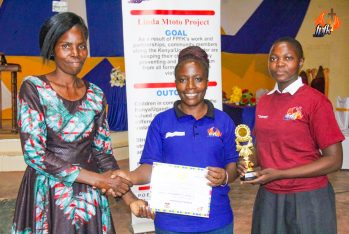
FPFK Linda Mtoto Project

FPFK Linda Mtoto Project is a five-year project of Free Pentecos- tal Fellowship in Kenya (FPFK) funded by Norwegian Pentecostal Mission (NPM). The project is designed to strengthen communi- ty members along the Kenya-Uganda border on safety of their children by preventing and protecting them from all forms of child rights violations
591108593_1152877103654824_3218808039986355479_n

Widows Project

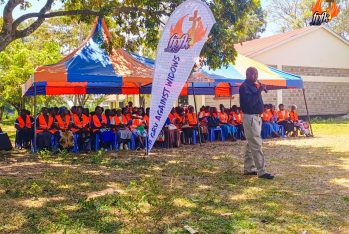
The Widows project is a five-year project funded by Norwegian Pentecostal Mission (NPM) and operates in Siaya County. It is aimed at addressing violation of women’s rights by being forced into widowhood traditions like widow cleansing and forced inheritance. Other than the women’s rights violations through the traditional rituals

Programs/Project’s

Operational Structure

FPFK runs specialized programs funded by diverse financial partners. These programs are managed by professional staff based at the Head Office and in regions to ease administration routines. Operationally all FPFK projects and programs are managed by Social Ministry Coordination an arm which is mandated by the FPFK National Board. This department is headed by Social Ministry Coordinator who oversees all FPFK’s projects operations and reported to by both Social Ministry Accounts and the Project Leader. The Project leader is responsible for the day to day management of project activities, follow up on financial routines, reporting and networking. While project officers assist in the implementation and monitoring of project activities.

In 2024, FPFK through the Social Ministry signed several partnership agreements with the National Government and academic institutions 1.Partnership agreement with National Cohesion and Integration Commission (NCIC) on peace building initiatives

  1. Partnership with State Department of ASALs on resilience initiatives
  2. Partnership agreement with the University of Nairobi (UoN) and United states international University (USIU) on research on child protec- tion across boarder areas
  3. Partnership agreement with Pentecostal Church of Uganda on child protection in boarder

Through the department, FPFK has a passionate belief that we are called to follow Jesus Christ in working with communities, in partnership

to advocate, promote and contribute to the well-being of the society.

We believe that every person has a potential and that realization of that potential requires removal of barriers as well as creating safe environment for them. Subsequently, we believe that investments in provision of spiritual nourishment, basic social and economic needs, capacity building of target participants as well as ensuring an enabling policy, physical and cultural environment will have the greatest impact on the wellbeing of the people and communities. We thus commit as a ministry to contribute to:

  • Strengthening Diakonia work through training, education and social economic activities based on FPFK’s Christian values
  • Support sustainable social ministry programs that address spiritual, social and economic needs of the
  • Quality and flexible funding streams for FPFK interventions and
  • Strengthening of internal institutional capacity of FPFK to ensure efficient, effective and sustainable interventions and

The above strategies will be concentrated into four thematic focus areas that include:

  1. The role of FPFK Church in community transformation
  2. Sustainable social ministry programs
  3. Quality and sustainable funding streams
  4. Human and Institutional Capacity Development (HICD)

Pastor Joshua Kelele

FPFK Social Ministry Head of Programms

Geographical Reach

FPFK Projects

The projects are implemented at national level as well as in specific areas covering Muhoroni Belt comprising of Kisumu, Kericho and Nandi counties, South Rift with focus on Narok, North Rift Region covering Turkana, West Pokot, Isiolo and Trans Nzoia, Western Region compris- ing of Bungoma and Busia counties and Nyanza region covering Nyakach and Siaya.

The interventions include the FPFK Resilience Program focusing on Anti FGM advocacy in Kajiado, promotion of Resilience Livelihoods in Soin and Nyakach and Peace initiatives in Turkana and West Pokot Counties.

Other projects implemented in 2024 include the Ubunifu II Project, Peace Resilience Project, Nyando Flood Response project, widow’s empowerment project, Inuka Dada Project, Malaba gender Advocacy Project, Women inclusion in Leadership Project, Narok Peace Project, Freedom of Religion or Belief Project, Linda Mtoto project and Kajiado Climate Change Project.

The department has played an active role in championing for the rights of individuals and communities in Kenya, strengthening the civic spaces, and contributing to sustainable structures for inclusive governance in Kenya.

FPFK Resilience Program

FPFK Resilience Program funded by PMU targets to see people in vulnerable situations living with dignity in a sustainable and peaceful environment. That they have the capacity to overcome personal, group, systemic threats to their peace, dignity and environment. They have safe spaces and making decisions and choices for their wellbeing and have livelihood options that are resilient to climate change impacts. They are food secure, have sustainable sources of clean water and are conserving and utilizing natural resources in a sustainable manner.

Ubunifu Youth Project

The Ubunifu II Youth Project (UYP) is a two-year project funded by Norwegian Pentecostal Mission (NPM), advancing the 2030 Sustainable Development Agenda by addressing the needs of excluded, out-of-school youth (ages 16 to 30) in Turkana County.
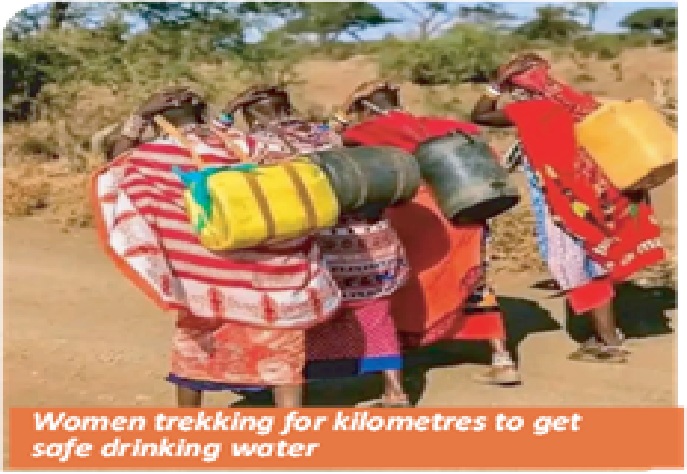
FPFK Kajiado climate change resilience project

The FPFK Kajiado climate change resilience project is a five-year project of Free Pentecostal Fellowship in Kenya (FPFK) funded by Norwegian Pentecostal Mission (NPM) and being implemented in Kajiado County. The project is designed to build the resilience of vulnerable community members in Kajiado County against the impacts of climate change and support them adopt renewable sources of energy for sustainable healthy living.

FPFK Peace Resilience program

FPFK Peace Resilience program is supported by Norwegian Pentecostal Mission (NPM)under the auspices of FPFK Church through social Ministry department. The dual program is clustered into Muhoroni and Kilgoris Projects. Muhoroni Project covers Kisumu, Kericho and Nandi Counties while Kilgoris one covers Kisii, Narok and Migori counties respectively.
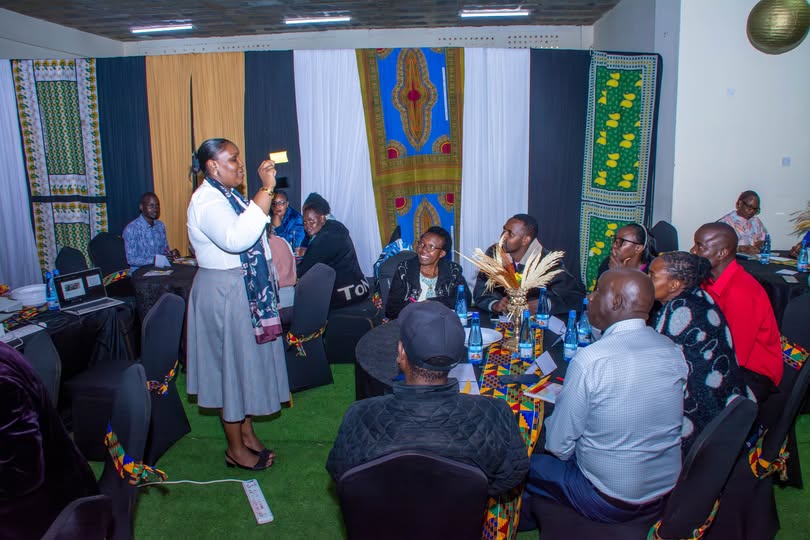
Inuka Dada Project

Inuka Dada is a Norwegian Pentecostal Mission (NPM) funded project that aims at championing for inclusivity in Free Pentecostal churches by ensuring women are equally respected and involved in the church’s leadership structure. The goal is to foster a more inclusive church environment, where women's voices are heard, and both men and women understand the importance of inclusivity
Narok Peace Project

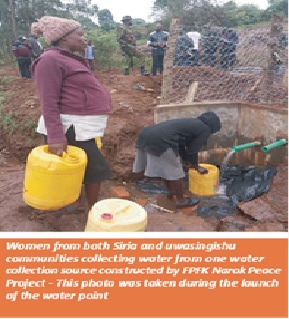
Narok Peace project is community resilience for peace funded by IAS Denmark operating in Kilgoris, Narok County. The project work towards strengthening community resilience to intra-ethnic conflict among the Maasai in Kilgoris, Narok County.

Partners

The projects work continues to receive great technical and financial support from her partners namely the PMU (Sweden), Norwegian Pentecostal Mission (Norway), and International Aid Services (Denmark), and LM International.